If you’re new to running, finding the right pair of shoes can make a huge difference in your experience. The right running shoes add comfort, help you avoid injuries, and make those first miles much more enjoyable. With so many brands and styles, though, it can be easy to feel lost. Keeping it simple and knowing what to look for goes a long way toward making sure your feet are happy on every run.
Why Good Running Shoes Matter for Beginners
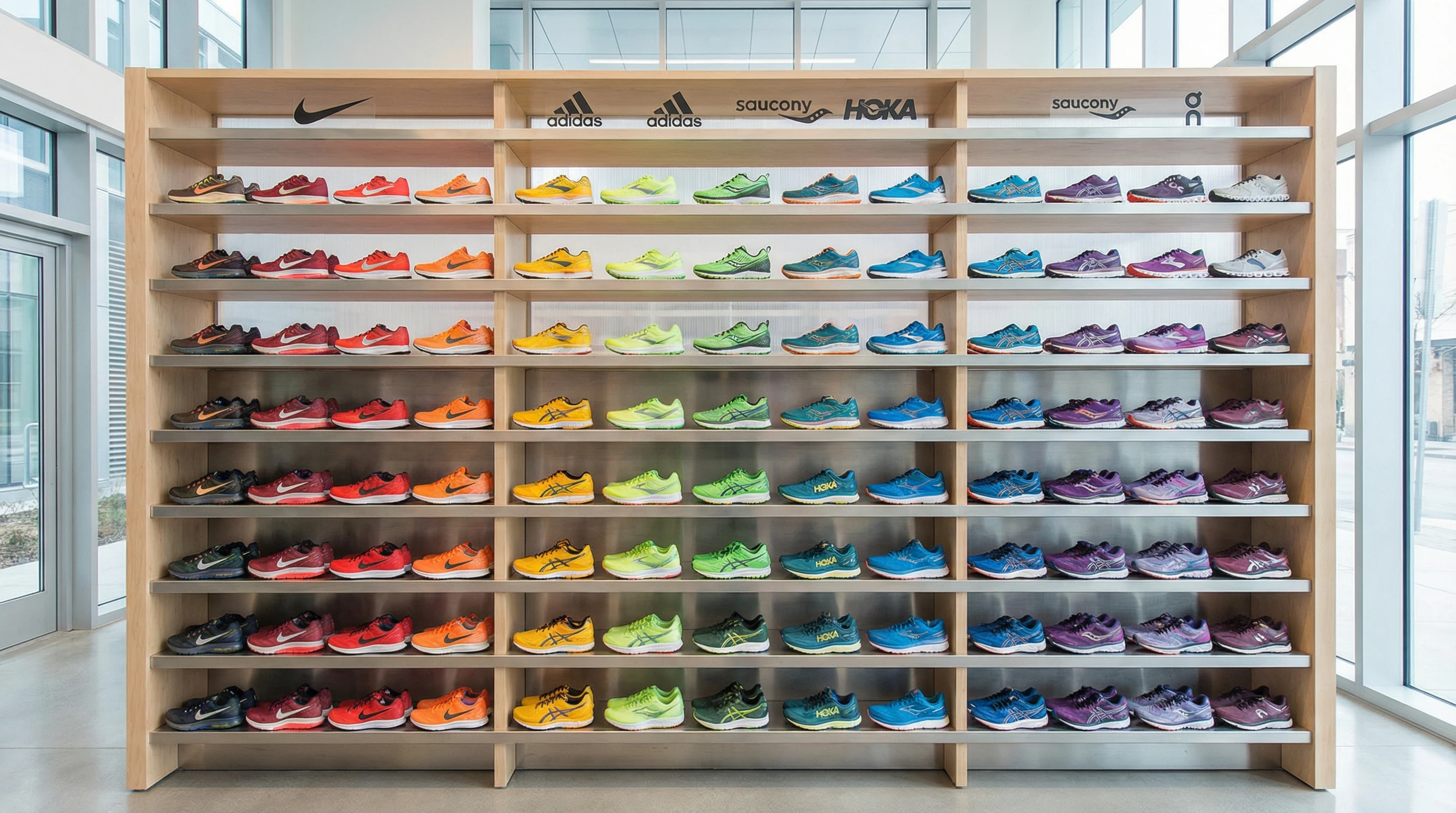
New runners often overlook shoe choice. Shoes are more than a style statement; they’re the biggest piece of gear you’ll use. Good running shoes support your feet, match how you move, and protect you from stress injuries. The current sneaker market keeps growing, with new updates in cushioning, lighter materials, and designs for different types of runners. Grabbing a pair that matches your needs can keep blisters, shin splints, and sore joints away.
Most big running brands have poured research into making shoes that fit a variety of foot shapes and running styles. Instead of guessing what looks cool, focusing on fit and comfort will help you stick with your running routine and recover faster after each session. Plus, starting with the right footwear means you’re more likely to make running into a habit without setbacks from aches or injuries.
Breaking Down The Basics: What to Look For in Beginner Running Shoes
Buying your first pair of running shoes isn’t about picking the most expensive pair or the brand everyone else has. It’s about finding a shoe that fits your feet and works with your unique stride. Here are a few basic terms that’ll help:
- Cushioning: This is the “squishiness” under your feet. Enough cushioning helps soak up impact, especially when you’re new and building up mileage.
- Support: Some shoes guide your feet if you roll inward too much (pronate) or outward (supinate). Beginners often appreciate neutral shoes, unless a specialist suggests otherwise.
- Heel to Toe Drop: This measures the height difference between your heel and toes. Most beginners like a moderate drop for comfort.
- Fit: Your toes should have some room to wiggle, and the heel shouldn’t slip when you walk.
Once you get comfortable with these basics, you’re in a stronger position to choose shoes that’ll keep you running happy. It’s always wise to spend a few extra minutes trying on multiple pairs and checking the fit.
Quick Tips for Choosing Beginner Friendly Running Shoes
Going into a store without a plan can be overwhelming, so having a quick checklist helps. Here’s what tends to make the process smoother for first timers:
- Visit a Specialty Running Store: These shops usually watch how you walk or jog (gait analysis) and suggest shoes based on how your feet move.
- Try Shoes On Later In The Day: Feet swell as the day goes on, and even more during a run, so trying on shoes in the afternoon gets you a better fit.
- Wear The Socks You Plan to Run In: Matching thickness helps you avoid surprises in fit once you’re actually running.
- Check For Enough Toe Room: Look for about a thumb’s width of space from your big toe to the front of the shoe. Your toes shouldn’t feel jammed.
- Test Walk Or Jog: Take a quick walk or light jog around the store to get a feel for the shoe’s comfort and support.
These small checks can save you a lot of hassle and sore feet later on. Don’t rush the process—spending some time trying on shoes can prevent regret later.
Common Challenges and Tips for New Runners
New runners can run into a few stumbling blocks when buying their first shoes. Spotting and understanding these challenges makes it easier to avoid issues down the road. Remember, everyone’s feet are a little different, so what works for one runner might not be perfect for another.
- Buying Just for Looks: Eye catching colors and brands catch the eye, but comfort and fit matter way more once you start logging miles.
- Ignoring Shoe Lifespan: Running shoes typically last 300 to 500 miles. Waiting too long to get a new pair can lead to aches and pains.
- Not Breaking Them In: Wear your new shoes for short walks or around the house before taking them for a full run. It helps soften the materials.
- Misjudging Support Needs: Not all runners need stability shoes. Unless you’ve been told otherwise, most beginners do well with neutral shoes. If you have pain, a gait analysis can help.
The Importance of Cushioning
When you’re starting out, cushioning can save your joints a lot of trouble. More isn’t always better; too much squish can make a shoe unstable, but a well cushioned shoe will take the edge off pavement pounding. People who start with less cushioning sometimes notice sore knees or shins in the first month.
Finding the Right Support
While some runners need help controlling motion (overpronation or supination), many beginners do best with a neutral shoe. Neutral options give flexibility and comfort. If your feet hurt or your ankles feel unstable, getting a professional opinion is pretty handy and can make a big difference in your overall running experience.
What To Know About External Factors
Temperature, rain, and even trail surfaces can all affect your shoe’s comfort. Wet weather and muddy trails can make lighter shoes slick, while hot days might have you wanting more breathability. Starting on paved paths and even surfaces helps you figure out what you like before adding dirt or rocky trails into your routine. As you get more confident, you can experiment to see what works best for you in changing conditions.
Advanced Starter Tips: Making The Most of Your Running Shoes
Once you’ve found a comfortable pair, it’s worth picking up a few habits to make them last longer and keep you feeling good run after run.
- Rotate Between Two Pairs: If you run regularly, having two pairs helps each set dry out and rebound between runs, keeping them comfortable for longer.
- Track Your Mileage: Jot down how far you’ve run in each shoe. After 300 to 500 miles, it’s usually time for a new pair.
- Keep Them Clean and Dry: Take insoles out and leave shoes somewhere they can air out, especially if they get wet. Letting them dry naturally can help avoid unwanted odors, too.
- Keep Laces Snug But Not Tight: Lacing too tight can lead to sore feet. Play around with different lacing styles that work for your foot shape.
These little routines don’t just save money—they keep your shoes feeling fresh and help you avoid unnecessary injuries from worn out footwear.
The Real World Difference: How Good Running Shoes Help Beginners
I’ve helped many friends start running, and one thing always comes up: the difference between a good and bad running shoe is huge for new runners. One friend started with old gym sneakers and had sore knees after every run. After switching to a running shoe with the right cushioning, running two miles felt way easier, and the post run aches faded.
Another great example is how shoes make trail running possible. Shoes with better grip and sturdier soles open up new trails and let you try running in nature, not just on sidewalks. For beginners, sticking to paved surfaces and lightweight, cushioned shoes helps you adjust before trying specialized shoes for trails or races. As you gain experience, you can try out more rugged shoes, but you don’t need those immediately.
- Everyday Running: A go to cushioned shoe is perfect for most daily runs, from short jogs to building up to a 5K.
- Training for Events: Once you get into longer distances or races, you might want a slightly lighter or faster shoe, but your daily trainers are still a good base.
- Exploring New Terrains: Specialized trail shoes help on dirt paths or rocky surfaces, but you don’t need these for city running right away.
Choosing the right shoe really does unlock a more enjoyable and painfree running experience. You’ll be able to focus on progress rather than discomfort—which is exactly what gets people hooked on running.
Frequently Asked Questions About Running Shoes for Beginners
Here are a few questions I get from new runners all the time:
Question: Do I really need running specific shoes, or can I use my regular sneakers?
Answer: Running shoes are designed for the repetitive impact of running. Wearing basketball shoes or old gym shoes usually leads to sore spots or injuries because they just don’t have the same support or cushioning as a good running shoe.
Question: How do I know when it’s time to replace my running shoes?
Answer: If you notice more aches than usual, the outsole feels flat, or you’ve gone about 400 miles in them, it’s worth checking for a replacement. Sometimes you’ll see visible wear, or the shoe just doesn’t feel as supportive anymore.
Question: Is it ok to buy running shoes online?
Answer: Trying on shoes instore is helpful, but if you buy online, make sure there’s a return policy. Ordering two sizes and returning the one that doesn’t fit is a good way to get the right match without leaving home. Reading reviews and checking the store’s sizing chart also helps.
Getting Started: My Personal Tips for First Time Shoe Shoppers
Looking back, one of my best decisions was skipping the “coolest looking” shoes for the pair that just fit right. The best shoe for a beginner is the one that feels comfortable from the first moment you put it on. Your choice might not be flashy or trendy, but if your feet are happy, your running adventure will be too.
Don’t forget to trust your own comfort over what’s popular or what others say is the “best.” Taking care of your shoes and paying attention to how they feel takes your running up a notch. Happy running!
Really helpful breakdown here! I love how you keep things simple for beginners. It’s so easy to get overwhelmed by shoes, brands, and all the technical terms people throw around. Your reminders about fit, comfort, and checking toe room are spot on—those small details make a big difference when someone’s just getting started.
Quick question for you:
For someone who’s a total beginner and still figuring out their running routine, would you recommend starting with just one solid pair of daily trainers—or is it worth investing in two pairs early on (like one cushioned pair and one for lighter runs)? I’m curious how soon a new runner should begin rotating shoes, or if that’s something better saved until they’re running more consistently.
That’s a great question Jason, Thanks. While it is possible to approach it that way, it’s not entirely necessary do so just yet. For a beginner, one reliable pair of daily trainers is usually enough to start. Rotating shoes can help with durability and injury prevention, but it’s more useful once you’re running consistently. Early on, focus on comfort and building routine before investing in multiple pairs. You can add a second style later as your mileage and preferences grow.
Stick with it!!! Happy Running!