
Training for trail running turns every run into an adventure. For active adults who love spending time out in the wild, it’s the perfect combo of fitness and fresh air. Training for trail running is a bit different from road running; it brings fresh challenges and plenty of rewards. I’m here to guide you through building up your trail legs, sharpening your skills, and making safety (and fun) a priority.
Why Trail Running Training is Different
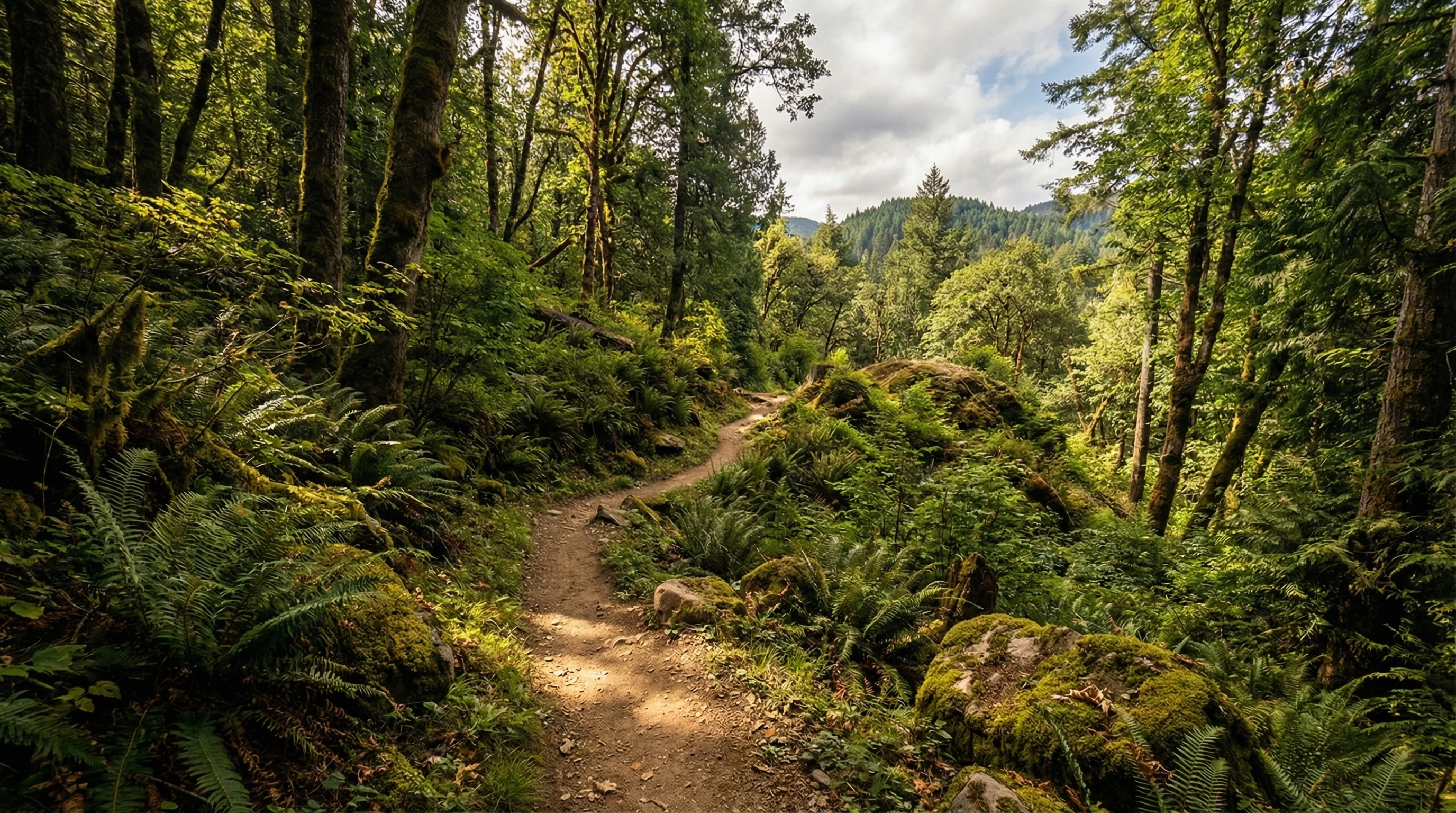
Trail running leaves the pavement behind for rocky climbs, rooty drops, and lots of twists and turns. No two trails are alike, so your training needs to switch things up too. It’s not just about speed or distance; building agility, balance, and energy management is huge, especially when you’re tackling hills and rough ground.
I’ve seen incredibly fit road runners get surprised on trails. The changing terrain really asks more from both your body and mind. It may take a little while to get used to, but the payoffs in fitness and scenery make it all worthwhile.
Getting Started: Gear and Basic Prep
Good gear can make trail running much more comfortable and safe. You don’t have to buy everything at once, but these essentials are worth considering:
- Trail Running Shoes: These shoes provide grip and foot protection, helping you keep your footing when you hit rocks or roots.
- Hydration Pack or Handheld Bottle: Even if the run is short, you won’t always find water along the way, so carrying your own is key.
- Weather-Appropriate Layers: Light windbreakers or breathable clothes help with shifting temps, especially if you head to the hills or deep woods.
- Trail Map or GPS Watch: Trails can get confusing, so a phone app or GPS watch helps keep you on the path and track your progress.
Once you get into the groove, you can add extra items—like running poles or gaiters—but these basics have you covered to start.
Building a Trailready Training Plan
Trail running isn’t just a matter of changing routes. Your body and brain need some time to get used to different challenges, especially if you’ve spent most of your time on flat pavement. I suggest focusing on three key areas: endurance, strength, and technique.
- Endurance: Slow your road pace, focus on how long you run (not just distance), and aim to get comfortable moving on uneven ground for longer periods. Expect your usual mileage to take more time!
- Strength: Trails work your legs in all directions. Adding hill repeats, squats, lunges, and core work gives you the muscle needed for uphills and keeping steady on rough downhills.
- Technique Practice: Balance drills (like single leg stands and side jumps) along with real trail practice sharpen your quick reactions and footwork on tricky terrain.
Many new trail runners plug in one technical trail run each week. Start with easy routes, work up as your skills grow, and blend in gentler road or treadmill runs to keep things balanced. Over time, you’ll feel those muscles and skills ramp up!
Key Skills Every Trail Runner Should Learn
Trail running isn’t just about fitness. Mastering a few skills—like running downhills with confidence or fueling smartly—keeps you safe and adds to the fun. Here are my top tips to get comfortable early on:
- Uphill Technique: Take shorter steps and lean forward a bit; it’s a great way to tackle hills. Power hiking up the steep parts is not “cheating”—it’s often a smart energy-saving choice, especially on long runs.
- Downhill Running: Loosen your arms and keep your eyes ahead, not right at your feet. Light, quick steps make downhills less daunting, and eventually, you’ll get the hang of the rhythm.
- Footwork & Balance: Quick feet matter on rocks and roots. Try hopping drills, walking on curbs, or running on soft grass to build agility and balance.
- Nutrition & Hydration: Expect to burn more energy on the trail. Bring along energy chews, fruit, or simple snacks for longer runs. Drink at short, regular intervals, especially if it’s hot or the trail is exposed.
You don’t need to master these all at once. With practice, you’ll pick up strategies from other runners and stumble upon what works best for you.
Challenges to Watch for, and How to Handle Them
Trail running brings its own set of challenges, but with a few tricks, they’re easy to handle. Here are some common bumps in the path and how I deal with them:
- Uneven Ground and Falls: Keep your gaze a few steps ahead. On tricky spots, it’s fine to slow down. If you take a tumble—don’t sweat it. Pause, check for bumps, and carry on.
- Weather Surprises: Nature can go from sunny to wild in a heartbeat. Always double-check the weather and pack an extra layer. If storms are possible, stick to familiar or less remote trails.
- Navigation Mix-ups: Losing your way happens. Download a map before heading out or snap a photo of the trailhead map. On longer outings, let someone know your route just in case.
- Wildlife and Bugs: Most trail creatures prefer to avoid humans. Making a little noise in dense brush helps, and bug spray is your friend in mosquito or tick season.
A little preparation keeps these from getting in the way of a good run.
Adjusting for Terrain and Altitude
Every region has its signature terrain, from sandy flats to rocky hikes that’ll get your heart pounding. Try different local trails to get a feel for how your effort changes. Running at higher elevations takes extra patience, so give your body time to adjust and rest as needed. If you need to hike, do it—it’s part of the trail runner’s toolkit!
Tips and Tricks for Improving Quickly
As you run more trails, you’ll dig into a bunch of hacks that make things easier and more fun:
Run with a Buddy: Company on the trails keeps things lively, teaches new tricks by just watching, and boosts safety, especially on big adventures.
Mix Up Your Routes: Don’t settle for the same loop each week. Trying new trails works different muscles and keeps things exciting.
Celebrate Progress: Trail running can be tough—pat yourself on the back for each climb, tricky descent, or just for showing up, even when your motivation dips.
Choosing the Right Trail for Your Skill Level
Most regions offer trails suited to all abilities. In parks and forests, green or blue trails mean gentle hills and wide spaces—ideal for starting out. Black diamond or technical trails are for experienced runners who are ready for rock hopping and serious climbs. Don’t rush into the wildest stuff; milder terrain still packs plenty of rewards.
- Easy Trails: Smooth dirt, gentle hills, and wide room for a crew.
- Intermediate Trails: Some rocks, sharper climbs, and tight spots.
- Advanced Trails: Steep, full of roots or boulders, and challenging climbs.
Trail Running FAQs
There’s always something new in trail running. Beginners have plenty of questions—these are some I hear a lot:
Q: How do I avoid blisters and sore feet?
A: Be sure your shoes fit well and go for moisture wicking socks. If you notice a “hot spot,” stop and fix it before a blister forms.
Q: Do I need to be an expert hiker first?
A: Nope! If you love the outdoors and want to run, start with easy trails, take it slow, and enjoy exploring.
Q: How much slower will my trail pace be?
A: Most runners are a minute (or more) per mile slower on trails. Don’t focus on speed—enjoy the ride and the scenery.
Q: What should I do if I see wildlife?
A: Stay calm, give plenty of space, and never try to feed or approach animals. Usually, they’ll move off on their own.
Wrapping Up and Getting Out There!
Trail running training is about exploring just as much as fitness. Grab comfy shoes, start slow, and let new skills come with every run. Each outing brings new sights and reasons to celebrate. After all, few experiences top sharing trail tales and muddy shoes with friends or family after an epic day outdoors. Happy trails and enjoy every mile!