
Tracking progress as a new runner can turn a casual hobby into something a little more exciting, and it’s the main reason I finally started seeing real improvements. Running around my quiet neighborhood or along those leafy trails two towns over, I’d hit stretches where I had no clue if I was actually getting better. Now that I keep tabs on my progress, each run feels meaningful, like I’m actually building something.
Why Tracking Progress Matters for New Runners
Staying motivated isn’t always about chasing big milestones. Sometimes, it’s about noticing those tiny wins, like shaving 30 seconds off a mile or running farther than the last week. Progress tracking gives me feedback and helps me celebrate every small step. Even on days when my legs feel like lead, being able to look back at my stats gives me a reason to keep at it.
Most beginner runners, me included, sometimes fall into the trap of running the same pace and route week after week. Tracking forces us to mix things up. It’s really important for seeing growth over time, and it keeps running from feeling stagnant or boring. If you’re juggling family stuff and road or trail running in the suburbs, like I do, finding that little bit of improvement can make those early morning or post-dinner runs feel more worth it.
Another reason tracking matters is that it allows you to measure the non-obvious changes, like increased stamina or better recovery. When I first started, I couldn’t imagine running up that big hill without stopping. A couple of months in, I realized I was breezing past it. Without some record of progress, moments like these might slip by unnoticed. Recording your runs lets you stumble upon hidden achievements, which can really pump up your motivation.
Tools and Methods for Tracking Your Runs
When I first got started, a basic phone app was all I used. Pretty soon, I noticed there are lots of ways to track runs, from old school notebooks to snazzy GPS watches. Here’s a rundown of the options I’ve tried and liked:
- Phone Apps: Most running apps (like Strava, Nike Run Club, and MapMyRun) are free or have free versions. You just carry your phone, and it records distance, pace, maps, and more. The social features let you share and get support, which is neat if you like some friendly encouragement.
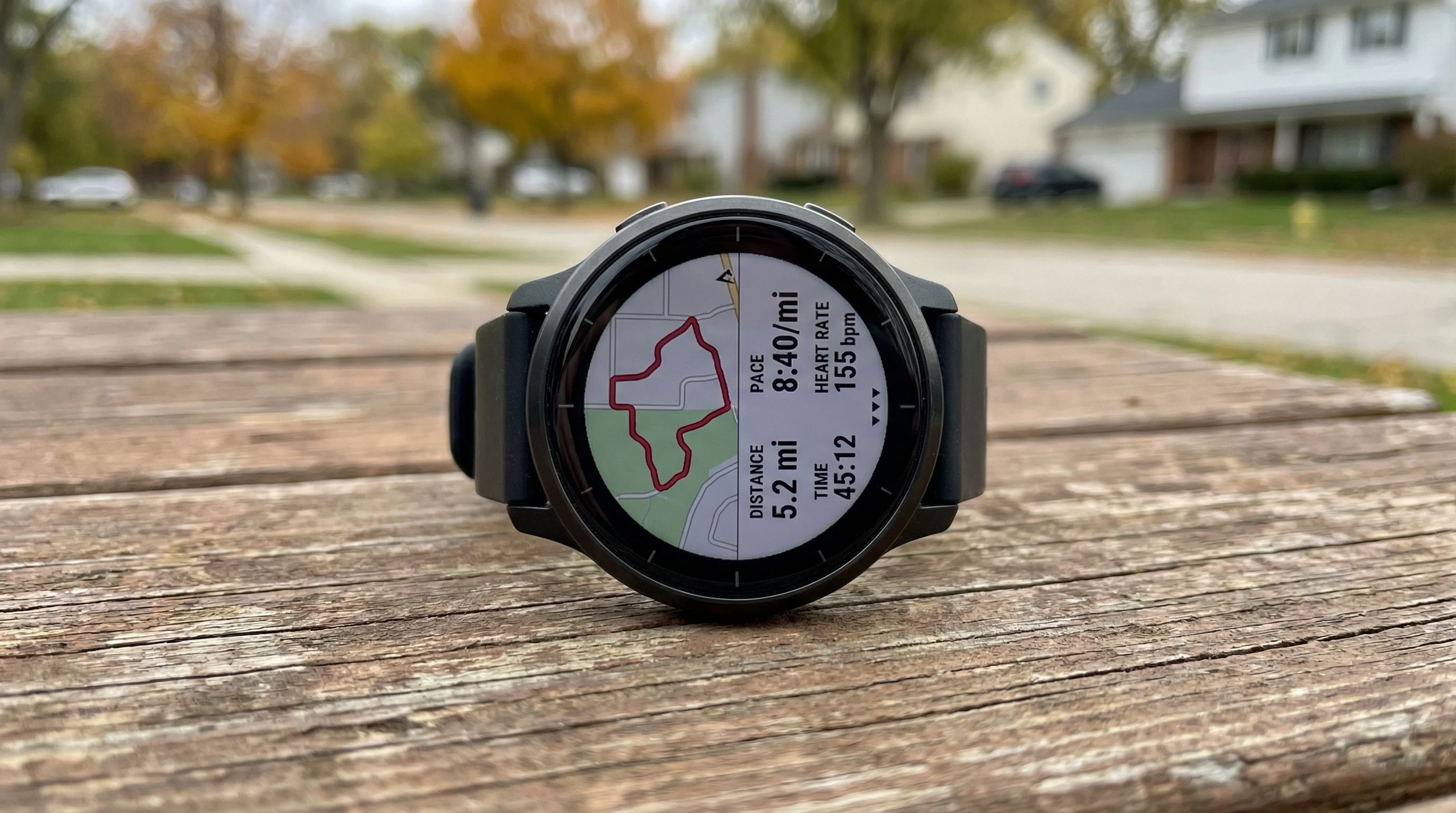
- Fitness Trackers & GPS Watches: If you’re getting serious about your running, a watch is worth considering. I picked up a Garmin once I realized I wanted to leave my phone at home sometimes. A decent watch tracks pace, routes via GPS, and even heart rate. Some newer models even suggest rest days.
- Running Journal or Notebook: Don’t skip over pen and paper. Writing down my runs—distance, how I felt, and maybe weather or time of day—helped spot patterns like “Mondays are slow because I never sleep enough on Sundays.”
- Smartphone Features: Most smartphones have built-in health apps that log steps and general activity, if you just need a baseline rather than detailed stats.
How you track is really just about finding what fits with your life. If you’re juggling homework and kid drop-offs, a watch is nice because you can start tracking with one button and not mess with your phone mid jog. If you’re new to the data side of things, an app or notebook works just fine.
Some people even use spreadsheets to log data, especially if you want to count up weekly or monthly averages. For those who love digging into stats, this can be very satisfying. But remember, the best system is the one you’ll actually stick with. Even noting things on your phone’s calendar counts as progress tracking if it gets you to keep running.
Getting Started with Tracking: What to Record
When I switched from random running to actually chasing goals, my biggest confusion was what stats even matter. Here’s what I started keeping an eye on, and why I think these basics help any new runner:
- Distance: Total mileage per run or week is cool to see over time. You can spot those “longest run yet” moments easily.
- Pace: This is your speed, usually shown as minutes per mile or kilometer. Tracking pace helps when you want to run a bit faster or see if easy days really are easy.
- Time: Duration tells you if you’re running longer, not just farther or faster.
- Route: Many apps & watches map where you run, so you can see variety. I love recalling which trails had the best scenery or which neighborhood hills slowed me down.
- Effort/How You Felt: Some apps let you mark effort level (easy, medium, hard). Otherwise, jot down in a notebook how tough it felt. This matters because some days are just more challenging, and that’s normal.
- Weather/Conditions: Super useful, because humidity or wind can explain slower days.
After a few weeks, those notes and numbers will start painting a cool story about your running. I learned my evening runs always feel smoother after a stressful workday! Extra stats, like heart rate or shoes worn, might help later on if you want to get a feel for what supports your best runs.

Common Obstacles and How to Get Around Them
Like most things, tracking isn’t always smooth. Here are a few hiccups I faced, and what helped me stick with it:
- Forgetting to Track: Sometimes I’d finish a run only to realize I never hit “Start” on my watch. Now it’s part of my lace up routine. Set a phone reminder if you’re forgetful like me.
- Overfocusing on Numbers: It’s easy to get caught up in trying to beat every run. If recording stats ever takes the fun out of running, I take a break and do “no data” runs. It’s refreshing and helps me remember why I liked running to begin with.
- Dealing with Plateaus: Progress isn’t always linear. Weeks will pass with little change. Looking back at your notes on those days reminds you how far you’ve come overall. Adjusting expectations is pretty important too.
- Technical Issues: Phones and watches can glitch, especially near heavy tree cover or clouds. Sometimes my GPS would draw zigzags where I definitely ran straight down my street. Doesn’t hurt to check your tracker’s accuracy now and then.
Lean into a little patience with yourself and your gadgets. The goal is steady improvement, not perfection every day. Missed data isn’t a disaster; what matters is that you get out there. If you find yourself resisting tracking, simplify your process. Fewer categories or less data might be more sustainable until recording becomes second nature.
Using Progress Tracking to Improve Motivation and Make Changes
Once you’re in the habit of tracking, the results aren’t just about numbers. Progress tracking is surprisingly motivating. Here’s how I use my stats to keep running fresh and fun:
- Setting Mini Goals: Chasing small improvements, like running a certain distance without stopping or trying a new trail, is way less intimidating than tackling a marathon right away.
- Celebrating Milestones: Hitting a personal best, whether it’s a distance record or just getting out the door three times a week, deserves a mini celebration. Sometimes it’s just a high five from family, or maybe a new running playlist.
- Staying Consistent: Tracking streaks or days run helps me stay consistent, because breaking a good streak is enough motivation to go for a short run, even on off days.
- Adapting Training: Noticing when I’m feeling wiped out or my pace is dropping tells me it’s time to rest or mix things up. Keeping track of fatigue versus fresh days makes training safer and more effective.
Looking back at my progress, I realize motivation doesn’t always come from within. Sometimes, it’s right there in the stats telling me, “Hey, you really are getting better.” Even if the improvement is tiny, seeing it written down or graphed on your app feels next level cool. Try setting a fun challenge, like running to a local landmark or exploring new streets, and record how you felt. These mini adventures can keep everything fresh when motivation dips.
Extra Tips for Making Progress Tracking Work for You
Everyone’s life is different, so finding what keeps things comfortable and sustainable is really important. A few more things I learned along the way:
- Don’t stress missing a day, life happens. Skip the guilt and pick back up when you can.
- Include rest and cross training in your notes. Sometimes walking the dog is as important for your body as a tempo run.
- Share your progress with friends or online groups if you want a little accountability or just want to swap stories.
- Every few months, look back to see trends, maybe a certain shoe helps with long runs, or running before breakfast actually works.
- Remember, tracking isn’t a contest. It’s there to give a boost and help you get a sense of your patterns.
- Celebrate nonrunning milestones too, like recovering quickly or trying a new route. These count as wins.
One extra trick is to use photos or voice notes to log how you’re feeling on certain days, if writing isn’t your style. Keeping reminders of great runs (or tough ones you powered through) can shine a light on your progress in creative ways. Mix in some variety by adding occasional walks, different terrains, or even joining a group run for a change of pace.
Frequently Asked Questions
Question: Which is better, a running app or a GPS watch for tracking?
Answer: Both work great! Apps are usually free and have social features. Watches are more convenient if you want to skip carrying a phone, especially for longer runs or if you run on trails where pockets aren’t practical. If you’re just starting out, try an app first, then move to a watch if you need more freedom or advanced stats.
Question: What should I do if I don’t see any improvement despite tracking everything?
Answer: Plateaus are a normal part of running. Try switching up your pace, adding short intervals, or resting a little more. Sometimes it takes a few weeks for changes to show up, especially as you adjust to new training routines. Also, check your notes for patterns regarding sleep, nutrition, or stress. Often, a small change outside of running can help break a plateau.
Question: How often should I look back at my progress?
Answer: Checking in every few weeks to a month is enough for most new runners. Weekly check-ins can sometimes mess with your motivation if progress is slower. Let the numbers work in the background, run for enjoyment, and only compare for bigger picture changes. Setting a reminder to review once a month helps you spot long term improvements without feeling pressured every week.
Final Thoughts on Enjoying the Process
Tracking isn’t just about getting faster or running farther. For me, it brought structure to a hobby I already liked, and nudged me out of ruts. It’s a simple way to see that the early mornings and weekend efforts are adding up to something worthwhile. Whether you’re using an app, a notebook, or a high-tech GPS watch, picking any method to track your runs helps you find meaning in the miles. There’s no finish line required, and the real reward is enjoying the ride and seeing what you’re capable of over time. Happy running—and keep an eye out for those unexpected wins along the way.