
Stepping up my running routine was a big decision, not just in terms of carving out time but also figuring out all the gear I really needed. Early on, I ran in whatever old sneakers I had around, and I definitely felt it in my shins and knees. Turns out, having the right gear as a beginner runner does way more than just make you look like you know what you’re doing. It keeps you comfortable, helps prevent injuries, and actually makes training feel a bit more fun. I’m going to walk you through the basics that helped me transition from casual jogs around the block to more regular training on both roads and the occasional trail.
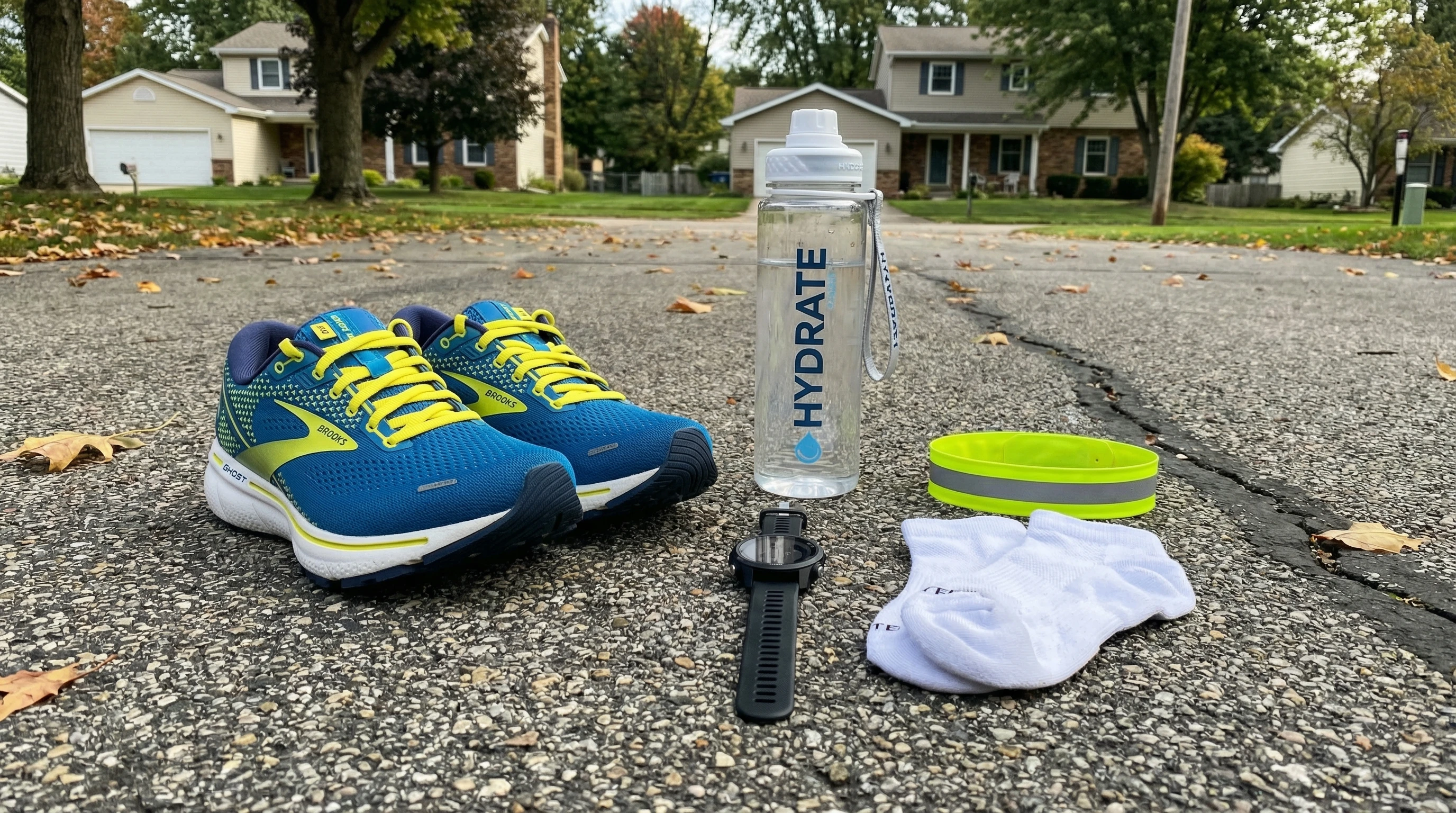
Basic Running Gear Every Beginner Should Consider
Getting started with running usually feels straightforward, but the number of options for shoes, clothes, and accessories can get overwhelming fast. The good news is that you really don’t need a ton of fancy stuff at the beginning. With just a few smart choices, your runs will feel smoother and you’ll dodge a bunch of popular new-runner problems, like blisters, sore ankles, or overheating mid-workout. Here’s what I found super useful as I settled into regular suburban road runs, with the occasional weekend trail thrown in for variety.
Running Shoes: The Foundation
Picking out running shoes was easily the most important decision for me. Not all running shoes are created equal and just wearing whatever athletic shoes you have around can leave you dealing with sore feet, blisters, and shin splints. Most running specialty stores offer some kind of gait analysis, and it’s worth taking the time for this—they’ll check how your foot lands and suggest shoes that match your stride and the surface you run on. For suburban runners mostly on pavement, look for shoes with decent cushioning and support. If you hit the trail now and then, consider trail specific shoes with grippier soles. The right pair didn’t just improve my comfort. They actually made me look forward to getting out for a run.
- Cushioning: Helps absorb the impact from hard roads.
- Fit: Snug at the heel, roomy at the toes, and no rubbing anywhere.
- Durability: Road shoes last about 300-500 miles; trail shoes see a bit more wear and tear from roots and rocks.
Running Apparel: Comfort Matters
I learned the hard way that old cotton tees and basketball shorts are fine for mowing the lawn but not so much for running. Cotton holds onto sweat and can make you feel cold, clammy, and even cause chafing in weird places. Moisturewicking clothes keep you dry and comfortable, especially once the miles start adding up. For a decent starter kit, look for:
- Technical Shirts: Lightweight, breathable, and quick drying. Short sleeves work for most of the year, while tanks are good for hot days and long sleeves for chillier mornings.
- Running Shorts or Tights: Built in liners add comfort and help prevent chafing. Loose shorts are great for summer, but tights or capris are cozy on brisk days.
- Socks: Don’t skimp here. Synthetic or wool blends keep feet drier and are way less likely to cause blisters compared to cotton socks.

Accessories That Make Runs Easier
With shoes and clothes sorted, a few basic accessories took my runs from manageable to “actually enjoyable.” Some of these might not seem necessary at first, but they come in super handy as you start running more often or go on longer routes. The difference is noticeable with every run, especially as your mileage grows from a few blocks to a few miles.
- Running Watch or Fitness Tracker: Even a basic stopwatch helps you keep track of time, but a GPS watch or fitness band gives you pace, distance, and helps track progress over time. It’s really motivating, even for casual runners.
- Water Bottle or Hydration System: For anything longer than 30-40 minutes (or if it’s hot out), I like carrying a handheld bottle or using a waist belt with small flasks. Staying hydrated makes a big difference, and you don’t need anything super high tech. Some bottles even have easy grip designs that fit naturally in your hand.
- Phone Holder or Running Belt: I used to run with my keys and phone bouncing in my pockets, which was really distracting. A running belt or armband fixes this, fits snugly, and makes it easier to focus on your workout.
- Reflective Gear or Headlamp: If there’s any chance you’ll be running before dawn or after dusk, something reflective or a basic headlamp is the easiest way to stay safe in suburban neighborhoods—and a little peace of mind never hurts.
I am a long-time user of the Garmin brand of running watches. These are great watches and provide any and all functionality that I am looking for in a running watch. They also have many other apps available to be used with them. For the past few years my watch of chose has been the Garmin Forerunner 265 Music GPS Running watch. Check it out!!!
Quick Guide: Building Your Beginner Running Kit
Here’s how I put together the basics for my kit and made it work across changing seasons and mixing up schedules:
- Start With Good Shoes: Prioritize fit and support. If possible, get scouted at a running shop, but don’t overthink brand names.
- Add Technical Clothing: Grab a few shirts, shorts/tights, and some quality socks to rotate through the week.
- Accessorize for Your Needs: If you’re running with your phone, keys, or water, make sure you have a way to carry them comfortably and securely.
- Think About Visibility: Especially for early or late runs, some reflective gear goes a long way. Simple slap band reflectors or a neon vest work well, and investing in one headlamp can make dark runs a lot safer.
This simple kit worked really well as I upped my weekly mileage, and I was able to add or switch up pieces based on the weather or length of my runs. Don’t feel pressured to buy everything at once; you can always figure out what’s missing or what you want to upgrade as you gain experience.
What to Expect: Challenges and Solutions
No two runners have exactly the same experience hitting the pavement or trails, but I definitely ran into a few popular beginner struggles. Here are some issues I hit early on, with some tricks I found that made things easier:
- Blisters: Even with good shoes, running socks (synthetic or wool) and a shot of old-fashioned body glide or anti chafe balm on hotspots really helped.
- Sweat and Chafing: Swap cotton for synthetic fabrics and try on different short/tight combos. Even a cheap pair of running shorts with a built-in liner works better than most gym gear.
- Staying Motivated: Tracking progress (even just time and distance) made me want to keep improving, so I’d recommend any simple way to log your runs—pen and paper, app, or a watch.
Weather Swings in the Suburbs
Running in a quiet suburban neighborhood feels peaceful, but weather swings can surprise you. Light rain jackets and caps are pretty handy for sudden showers. Gloves and a headband kept my hands and ears from freezing when it got colder, especially in the early spring and late fall. Layering with a lightweight zip up top helped me stay warm without overheating. On hotter days, moisture wicking hats and sweatbands did a great job of keeping sun and sweat out of my eyes.
Mixing in Trail Runs
Occasional trail runs through local parks or nature reserves mean a few tweaks: I use trail specific shoes for better grip, longer socks to keep grit out, and I make sure the route is safe and not too rugged for my current fitness. Spraying shoes with waterproofing spray for muddy, wet days was useful, and I always bring a phone for GPS and emergencies. Sometimes, I throw a lightweight pack with some basic first aid in the trunk if I know I’ll be farther from home.
Beginner Tips to Keep Running Fun and Low Stress
The best advice I got as a beginner was to focus on comfort and consistency, not flashy gear or chasing personal records. A few easy tips helped me enjoy running even when motivation dipped or a run felt tougher than usual:
Mix Up Your Routes: Exploring new streets and local parks kept things interesting. Even switching between road and trail made regular training feel less repetitive. Taking in new scenery breaks up the monotony and can turn an ordinary workout into a refreshing part of your day.
Run With Others Sometimes: Running with neighbors or joining a local group made it easier to stick with my plan and made early morning runs more fun. It also gave me a good excuse for post run coffee and some social time without any pressure to “compete.”
Don’t Stress About Pace: For beginners, time on your feet matters more than speed. Slowing down on hills or mixing in walk breaks made running way more enjoyable. Focusing on building good habits instead of fast times helps you avoid burnout and keeps running feeling fun.
Real World Benefits of Having the Right Gear
Having a decent running kit is about more than just comfort. Wearing good shoes and proper clothing helped cut down on soreness, prevented injuries, and let me keep building up my mileage week after week. I stayed way more consistent just because I didn’t dread getting dressed for every run, and I rarely dealt with annoying things like blisters or overheating. Once I had my gear sorted, running became something I actually looked forward to. Suburban mornings were quieter, stress faded away, and the habit stuck faster than I’d expected. The small investment in basic gear paid off in better moods and stronger legs, and made it easier to keep coming back for more.
- Suburban Road Runs: Good shoes and reflective bands made for safe, steady sessions on local roads. Even in light traffic, a bit of visibility goes a long way.
- Trail Adventures: Trail specific shoes and high socks tackled mud and gravel without hassle. Grippier soles made technical sections less intimidating, and longer socks kept sticks and stones at bay.
- Weatherproof Runs: Light, moisture wicking layers and a cap handled cold wind or surprise drizzle. Keeping one lightweight jacket in the car helped me squeeze in runs before work, no matter the weather changes.
FAQs for Beginner Runners
Here are some of the main questions I had when I started running, and the answers I found after some trial and error:
Q: How do I know when it’s time to replace my running shoes?
A: Most shoes give about 300-500 miles. You’ll notice the tread wearing down, less bounce in the sole, or new aches in joints or feet. That’s the cue to pick up a new pair and keep your runs comfortable.
Q: What should I wear for running in cold or rainy weather?
A: Layer up! Technical base layers, light zip up jackets, a cap or beanie, thin gloves, and wool blend socks worked well for me. Skip cotton since it gets soggy and cold fast—stick with fabrics that dry quickly and keep you warmer when wet.
Q: Is it worth investing in pricier gear or is basic stuff fine?
A: You really only need to splurge on shoes. Clothes and accessories can start basic; upgrade only if you’re running more often or need something for specific weather or longer distances. Focus on comfort and practicality above the brand name, and add gear as your running habit grows.
With the right setup, running becomes easier and a whole lot more enjoyable. Every runner’s kit is a little different, but hitting the road or trail with comfortable shoes, clothes that breathe, and a few simple accessories is a solid way to set yourself up for happy miles. Enjoy the adventure—one step at a time.