
If you’re looking to step up your running game or just want a way to keep things fresh, here are some cross training ideas for runners. Besides making your routine less repetitive, it helps keep you strong, balanced, and less likely to get benched by injuries. I’ll walk through some practical cross training ideas that I’ve found pretty helpful for runners who want to keep improving, have more fun, and stay motivated in the long run.
Why Every Runner Benefits from Cross Training
Sticking to one type of exercise, even something as fun as running, can put your muscles and joints through the same motions again and again. Over time, this can lead to imbalances, burnout, or even nagging injuries that sneak up on you. Cross training gets around all that by mixing up your routine and working out different parts of your body. Besides injury prevention, it builds overall strength, gives your joints a break from pavement pounding, and adds some variety that keeps training interesting year round.
The best part? Cross training doesn’t mean putting away your running shoes. It just means filling in the rest of your week with activities that help you recover, improve performance, and keep that happy runner energy going strong. With cross training, you keep your running routine fresh and exciting, and you may even stumble upon new athletic passions along the way.
Top Cross Training Activities for Runners
I’ve tried plenty of activities over the years, but a few always stick out as really good choices for runners, both for fitness and just for fun. Here are some of my favorites (and why they’re worth adding to your routine):
- Cycling: Road bikes or stationary options both work. Cycling gets your heart rate up with less impact on your joints. It’s awesome for building strong legs and cardiovascular endurance.
- Swimming: Total body exercise and gentle on sore legs. Swimming improves lung capacity and engages your upper body more than running does.
- Strength Training: Lifting weights or even using bodyweight exercises like squats, lunges, and planks builds muscle that supports your running. Stronger glutes, core, and hips go a long way toward keeping your form solid on long runs.
- Yoga: Great for flexibility, balance, and calming your mind after a tough run. Many runners skip stretching, and yoga makes it enjoyable and effective.
- Rowing: Row machines are sneaky good for runners. Rowing strengthens your back and shoulders while also challenging your core and cardio system.
- Elliptical: Mimics running without the impact. It’s nice for recovery days or when the weather’s just not cooperating.
Building a Balanced Weekly Cross Training Routine
Blending cross training activities into your running week doesn’t have to be super complicated or time consuming. I stick to a few simple rules that help keep everything in balance:
- Pick two or three cross training days to work alongside your main running sessions.
- Use hard workouts like cycling intervals or HIIT on your running rest days (if you like a challenge); mix in yoga or swimming after long or tough runs for active recovery.
- Always listen to your body. Swap out a run for the bike or the pool if something feels off.
One example: I’ll run on Monday, Wednesday, and Saturday; do cycling or rowing on Thursday; and keep Tuesday or Sunday for a yoga or stretching session. Adjust for your goals and time, and don’t worry if it’s not perfect every week. Consistency matters more than specifics.
If you’re new to cross training or worried about time, start small. Even adding just a 20-minute session of bodyweight exercises or easy yoga can give your body a boost. Over time, you’ll get a sense of which types of cross training you enjoy most, and it’ll become natural to mix them into your routine.
How Cross Training Helps Prevent Injury
Ask any long-time runner; sooner or later, something starts to ache. Mixing in cross training keeps the overuse injuries at bay by spreading the workload across different muscle groups. Exercises like swimming or biking let sore muscles recover without dialing back the intensity of your workout.
Strength training is another big player here. Your knees, hips, and ankles do a lot of heavy work on a jog. Strong quads, hamstrings, and glutes help with stability and absorb shock better. For me, adding squats and core work, even once a week, made my runs smoother and my legs feel way more durable. These simple changes kept me running comfortably season after season.
Cross Training for Performance Gains
Cross training isn’t just about staying healthy. It actually makes you a faster, stronger runner. Improving your cardio with activities like rowing or cycling gives you a bigger engine, so you can hold a quicker pace over longer distances. Strength and flexibility work help clean up your running form, making each step more efficient. That extra leg and core strength also helps push up hills and manage tough workouts with less fatigue at the end.
Many elite runners mix in various types of cross training during their training cycles. Coaches agree that blending power, endurance, and balance exercises can give a real performance lift, especially during marathon training or race prep. If you’re stuck at a plateau, mixing up your plan could be what gets you to the next level.
Staying Motivated and Having Fun
The cool thing about cross training is just how much fun it can be. Runners can get a bit singleminded sometimes, and switching things up helps break out of any rut or plateau. Trying something new means you get to see real progress in different areas, like setting a new cycling PR or finally nailing a tricky yoga pose. That sense of accomplishment definitely carries over, making your regular runs even more enjoyable.
If you run with friends, ask them to join you for a new class or activity. It’s easier to stay motivated together, and you might find a new hobby to enjoy as a group.
Practical Ideas for Every Budget and Schedule
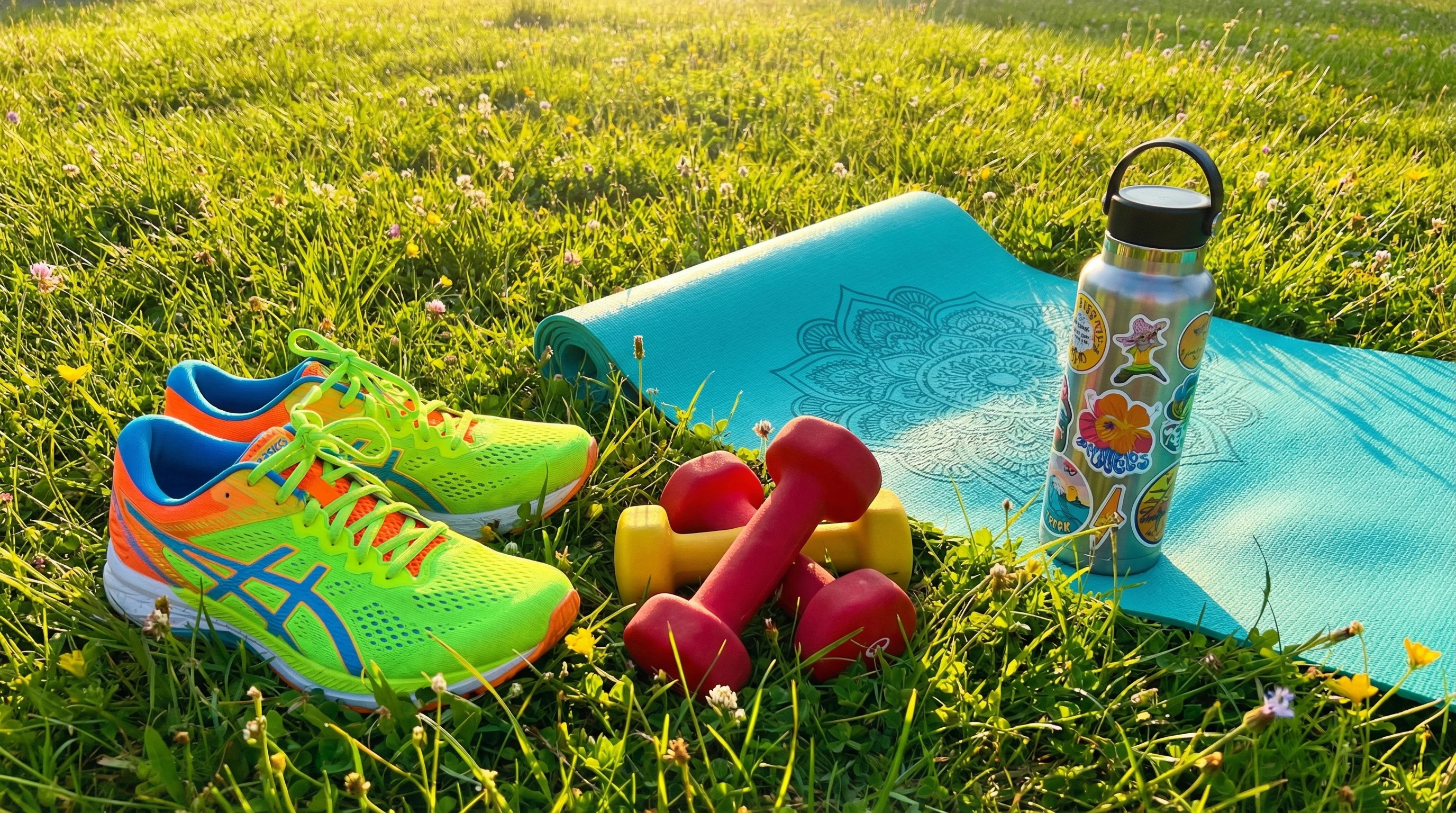
You don’t need a fancy gym membership or expensive equipment to get in a good cross training workout. A simple set of dumbbells, resistance bands, a yoga mat, or even using things around the house can go a long way. Here’s how I make it work without breaking the bank:
- Bodyweight routines: Pushups, lunges, squats, and planks—no extra equipment required.
- Park workouts: Local parks usually have walking trails for brisk walking, benches for stepups, and sometimes outdoor fitness stations.
- YouTube and apps: Tons of free yoga, Pilates, and HIIT videos available, perfect for squeezing in a session at home or when traveling.
- Local pools, bikes, and classes: Community centers can be affordable places for lap swimming or group classes like spin, and lots of cities offer affordable bike share programs.
Even with a tight schedule, you can put together ten to twenty minute sessions at home when it fits your day. The key is to be creative and flexible.
What to Watch For When Adding Cross Training
Cross training is pretty straightforward, but runners should keep these tips in mind to get the most out of it:
- Pace yourself: Trying too many new things at once can leave you wiped out or, worse, sore in ways you didn’t know were possible. Add in one or two activities at a time and build up slowly.
- Make it running specific when possible: Activities that challenge your leg muscles and cardio (like cycling, rowing, and strength training) tend to transfer best to running.
- Focus on proper form: Especially with weights or new exercises, go for quality over quantity. Good form protects you from injury just as much as cross training itself does.
- Listen to your body: If you’re always tired or sore, it may be time to dial back and prioritize rest.
Common Mistakes Runners Make With Cross Training
Early on, I would cram in too much without thinking it through. Remember, more isn’t always better. Treat your cross training sessions with the same care as you would a key run, and match the intensity to your training phase. For example, keep things light around big races or hard training weeks, but ramp up during offseason or recovery periods.
Real World Cross Training Stories
I’ve learned a lot about cross training from chatting with other runners. One friend started swimming twice a week after a shin splint injury and noticed she not only recovered quickly but also came back stronger once running resumed. Another found that incorporating yoga helped fix lingering hip tightness, which led to faster recovery and smoother long runs.
Many runners join local cycling groups or social fitness classes. Turning cross training into a social event keeps things fun and helps the motivation stick. Sharing progress and learning from a group can make new activities way less intimidating, and you might even make new friends along the way.
FAQs About Cross Training for Runners
How many days a week should I cross train?
Two to three days is enough for most runners. Even just one session a week is better than nothing, so adjust as needed based on your running goals and recovery.
Should cross training replace a run or be added on top?
If you’re already maxed out on running or feeling tired, swap a scheduled run for a cross training workout. Otherwise, use it to fill in your rest or easy days.
What’s the best cross training for runners recovering from injury?
Swimming and cycling are both gentle options that keep you moving while your legs recover. Walking, stretching, or resistance exercises can help as well; check in with your doctor or a physical therapist if you’re unsure.
Do I need to lift heavy weights to see benefits?
Not at all. Bodyweight strength routines, resistance bands, and lighter weights used consistently can make a big difference for muscle balance and support.
Start Enjoying All the Benefits of Cross Training
Mixing cross training into your running schedule makes workouts way less monotonous, helps protect against injuries, and unlocks performance you might not have thought possible. It’s easy to try new things and stumble upon activities you might love as much as running. Pick a new activity, add it to your week, and enjoy the improved energy, strength, and motivation that comes along for the ride. Soon, you’ll notice changes in your running and maybe even in how much you look forward to every workout—no matter the activity.